

Small Signals, Big Culture: Mastering Remote Micro-Behaviors

Today we focus on Remote Micro-Behaviors That Shape Team Culture, exploring how tiny, repeated actions in chat, email, and video calls accumulate into powerful norms. Notice how acknowledgments, timing, tone, and follow‑through either strengthen trust and clarity across distances or silently fray collaboration until results and morale suffer.

The Invisible Signals of Daily Communication

Because most collaboration now travels through text and tiles, the slightest choices become cultural signals. A quick thumbs‑up, a late reply, a carefully chosen subject line, or a generous paraphrase can tilt perceptions of care, reliability, and inclusion, ultimately determining whether remote partnerships feel energizing or draining.

Cadence of Replies

Responsiveness is interpreted as respect, yet speed without clarity creates pressure. Establish gentle expectations for acknowledgments, share working hours, and normalize delayed answers with brief status notes. These micro‑agreements turn uncertainty into trust, reduce notification fatigue, and prevent silence from being misread as disapproval or neglect.

Tone Through Emojis and Punctuation

Light markers like emojis, exclamation points, and line breaks steer emotion in lean channels. Overused, they blur intent; used thoughtfully, they soften critique and amplify appreciation. Encourage mirroring, explain individual preferences, and avoid sarcasm that collapses across cultures, protecting belonging while keeping messages crisp, readable, and respectful.

Status, Presence, and Read Receipts

Green dots and checkmarks invite unhelpful assumptions. Replace guesswork with explicit norms: when to mark away, how to use focus modes, and whether read receipts matter. Publicly celebrate deep‑work hours, protect recovery time, and coach teams to view availability signals as context, never obligation or urgency.

Meetings that Model Respect, Remotely
Opening Moments That Set the Temperature

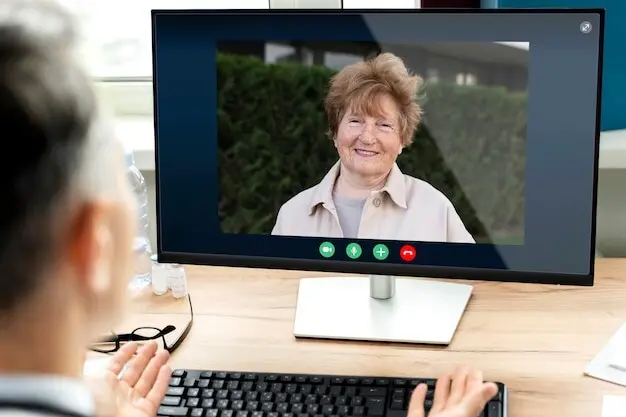
Begin with check‑ins that respect privacy and invite presence: a one‑word mood, silent polls, or agenda review. Micro‑prompts like camera optionality or accessibility reminders reduce anxiety. By balancing warmth with clarity early, you prevent derailments and create a runway where contribution feels safe, paced, and intentional.

Turn‑Taking Without Talking Over

Begin with check‑ins that respect privacy and invite presence: a one‑word mood, silent polls, or agenda review. Micro‑prompts like camera optionality or accessibility reminders reduce anxiety. By balancing warmth with clarity early, you prevent derailments and create a runway where contribution feels safe, paced, and intentional.

Closing With Clear Commitments

Begin with check‑ins that respect privacy and invite presence: a one‑word mood, silent polls, or agenda review. Micro‑prompts like camera optionality or accessibility reminders reduce anxiety. By balancing warmth with clarity early, you prevent derailments and create a runway where contribution feels safe, paced, and intentional.

Feedback Woven Into the Flow of Work

{{SECTION_SUBTITLE}}

Micro‑Recognition That Feels Genuine

Small acknowledgments compound motivation. Call out effort, clarity, or learning, not only outcomes. Tag people where the work happened, and be specific about the effect their action created. Authentic notes take seconds yet anchor identity, boosting momentum more reliably than infrequent, vague praise delivered long after delivery.

Nudges Inside Reviews and Comments

Swap blunt directives for curious questions and options. Highlight one improvement per pass, link examples, and suggest experiments. Shared templates reduce friction while keeping authors’ voice. These micro‑behaviors turn review into coaching, lower defensiveness, and keep velocity high without sacrificing standards or shared ownership of quality.

Designing for Inclusion Across Time and Language

Diversity becomes visible in remote logistics. Micro‑choices around scheduling, wording, and accessibility either widen doors or narrow them. When we rotate times, write plainly, caption recordings, and document decisions, contribution grows broader and bolder, especially for newcomers who might hesitate to ask again in public.

Psychological Safety Through Predictable Norms

Safety is not softness; it is clarity plus care. When people can predict reactions to slips, delays, or dissent, they risk more intelligently. Establish open channels for questions, publish norms visibly, and repair quickly after misses, converting stress into learning rather than fear or hiding.
Write down what urgent means, where to escalate, and which channels are for alerts versus ideas. Encourage out‑of‑office notices and batched notifications. Agreements replace mind‑reading, protect focus, and keep weekends sacred, cutting accidental emergencies that fray trust and pushing accountability into systems instead of personalities.
Create slack channels or rituals for quick fixes and learnings. Leaders thank people who surface risks early. Postmortems highlight process gaps, not culprits. By reframing error as signal, teams experiment faster, share rescue techniques, and avoid repeated failures born from secrecy, shame, or overconfidence.

Rituals, Stories, and Measurement That Sustain Belonging

Culture sticks when stories and data align. Lightweight rituals create shared memories, while simple metrics reveal whether behaviors are spreading. Pair celebrations with pulse checks, and invite readers to share examples, questions, or experiments in comments, then subscribe for future explorations that deepen capability across distributed teams.
Zentonovirinotari
Privacy Overview

This website uses cookies so that we can provide you with the best user experience possible. Cookie information is stored in your browser and performs functions such as recognising you when you return to our website and helping our team to understand which sections of the website you find most interesting and useful.